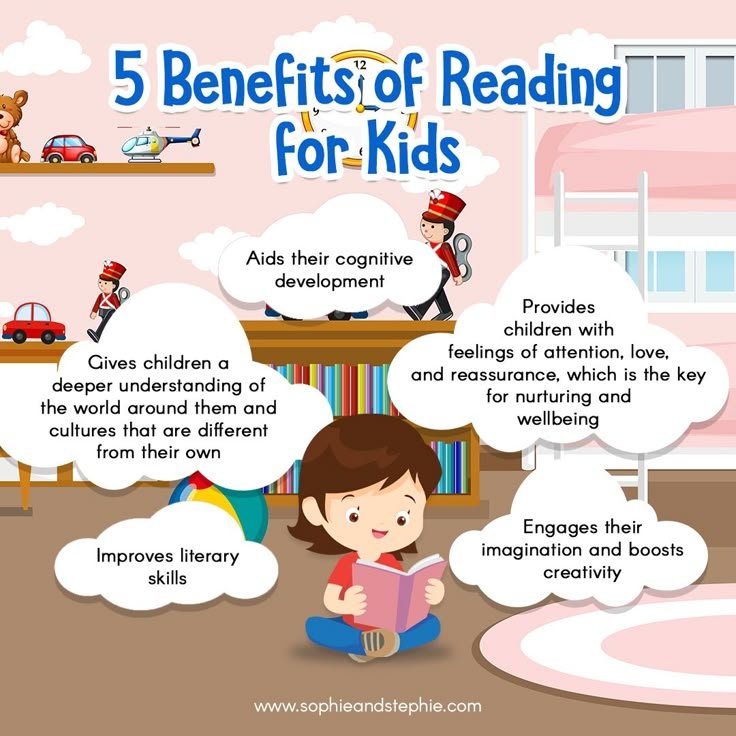
The rustle of a page, the glow of a screen, the quiet hum of an audiobook — whatever the medium, the act of reading is far more than just consuming words. It's a profound journey that engages your mind, stirs your emotions, and fundamentally reshapes your perspective. Understanding the key features, benefits & reading experience of truly transformative books isn't just about finishing a story; it's about unlocking a powerful engine for personal growth and intellectual development.
Think of it: reading is a cornerstone of human progress, a silent dialogue across time and space that empowers individuals with knowledge, fosters empathy, and sharpens critical thinking. It's an avenue for personal development, altering your perspectives, enhancing your intellect, and feeding your imagination like little else.
At a Glance: What Makes Reading So Powerful?
- Brain Booster: Improves memory, sharpens critical thinking, and boosts focus.
- Emotional Architect: Builds empathy, reduces stress, and sparks imagination.
- Life Transformer: Expands your worldview, aids decision-making, and fosters lifelong learning.
- Skill Enhancer: Broadens vocabulary and strengthens communication abilities.
- Gateway to Worlds: Provides diverse ideas and experiences, fostering personal and cultural development.
- Digital Evolution: E-books and audiobooks offer convenience and accessibility, though deep engagement remains key.
- Social Catalyst: Literature can inspire action and shape societal perceptions.
Beyond Pages: What Makes a Book Truly Transformative?
Not all books are created equal when it comes to sparking genuine transformation. Some merely entertain, while others linger, subtly altering the very fabric of your thought. The distinction often lies in their core features, the unique qualities that elevate them from good reads to life-changing experiences.
Content Depth and Nuance
A truly transformative book delves deeper than surface-level explanations. It explores complex ideas, historical contexts, or emotional landscapes with a richness that invites prolonged thought and re-evaluation. Whether it's the intricate philosophical reflections in Annie Dillard's "The Reading Life" or the detailed cognitive science in Stanislas Dehaene's "Reading in the Brain," these books don't just present information; they unpack it, revealing layers of meaning you might otherwise miss.
They tackle tough questions, presenting multiple facets of an issue without necessarily providing easy answers. This nuance challenges your assumptions, forcing you to engage critically rather than passively accepting what's on the page.
Unique Perspectives and Voices
Great books introduce you to voices and perspectives vastly different from your own, or perhaps articulate your own unspoken thoughts with startling clarity. Fiction, like "The Book Thief" by Markus Zusak, allows you to walk in another's shoes, building empathy for experiences far removed from your daily life. Non-fiction, on the other hand, might present a revolutionary framework for understanding the world or a specific domain.
These diverse viewpoints aren't just entertaining; they're essential for broadening your worldview, enabling you to step outside your personal echo chamber and truly appreciate the complexity of human experience and thought.
Narrative Power: The Emotional Resonance of Stories
Even when a book aims to teach or inform, the most memorable and impactful often employ narrative elements. Stories are sticky. They're how humans have shared wisdom and experience for millennia. In fiction, compelling characters and plots create an emotional connection, making the lessons embedded within the narrative feel personal and immediate.
Consider a novel like "To Kill a Mockingbird" by Harper Lee. It doesn't lecture you on racial injustice; it immerses you in Scout Finch's experience, allowing you to feel the injustice, sparking a deeper understanding and empathy that statistics alone could never achieve. This emotional resonance is a powerful feature, anchoring abstract concepts in relatable human experience, making the transformation more profound and lasting.
Actionable Frameworks: Beyond Just Information
For non-fiction, especially in the realm of self-help and personal development, a key feature of transformative books is their ability to provide actionable frameworks or strategies. It's not enough to simply know something; you need to know how to apply it. Books like Mortimer J. Adler's "How to Read a Book" don't just praise the benefits of reading; they provide a blueprint, categorizing reading into distinct levels—elementary, inspectional, analytical, and syntopical—each with specific techniques for deeper engagement.
These frameworks empower you to take what you've learned and integrate it into your life, moving from passive absorption to active implementation. They offer tools, not just theories, making the path to personal transformation clear and tangible.
The Unseen Architect: How Reading Reshapes Your Mind & Life
The benefits of reading are vast, touching every aspect of your existence, from the way your brain processes information to your emotional intelligence and your capacity for lifelong learning. It's an investment that pays dividends across your entire life.
Cognitive Enhancements: Sharpening Your Mental Edge
Reading is essentially a workout for your brain, engaging multiple cognitive functions simultaneously.
- Memory Improvement: When you read, your mind actively retains information—plot points, character names, intricate details, new concepts. This constant engagement strengthens neural pathways, akin to building mental muscle. The more you read, the better your brain becomes at recalling information and making connections.
- Critical Thinking Development: Reading isn't just about absorbing words; it's about interpreting details, assessing arguments, and making predictions. Whether you're dissecting a philosopher's logic or trying to guess a murderer in a mystery, you're constantly exercising your critical thinking skills. You learn to question, to analyze, and to synthesize diverse ideas.
- Boosted Concentration and Focus: In an age of endless distractions, reading provides a sanctuary for sustained attention. To fully engage with a text, you must block out external stimuli and immerse yourself. Regularly dedicating time to reading can significantly improve your ability to focus on complex tasks in other areas of your life.
- Vocabulary Expansion and Communication Skills: Each new book is an opportunity to encounter new words, phrases, and stylistic choices. This natural exposure organically expands your vocabulary, leading to more articulate speaking and more precise writing. The more you read, the more effectively you can express yourself, influencing both your personal and professional interactions.
Emotional & Psychological Well-being: A Sanctuary for the Soul
Beyond the intellect, reading nurtures your emotional and psychological landscape, offering solace and growth.
- Stress Alleviation and Relaxation: Losing yourself in a good book is a proven way to reduce stress. The focused distraction takes your mind off daily worries, lowering heart rate and muscle tension. It's a peaceful escape, a mental vacation that promotes deep relaxation.
- Enhanced Imagination and Creativity: Reading paints pictures in your mind that no screen can replicate. You become the director of your own internal movie, visualizing characters, settings, and events based on the author's descriptions. This active engagement strengthens your imaginative faculties, fostering creativity that can spill over into problem-solving and innovative thinking.
- Development of Empathy: Through literature, you inhabit countless lives. You experience joy, sorrow, triumph, and despair from another's perspective. This vicarious experience is a powerful catalyst for empathy, helping you understand and relate to people from different backgrounds, cultures, and circumstances. Books like "The Diary of a Young Girl" by Anne Frank offer an intimate glimpse into experiences that build profound understanding.
Personal Growth & Worldview Expansion: Becoming Your Best Self
Reading serves as a mirror and a window, reflecting your inner world while revealing the vastness of the external.
- Challenging Assumptions and Broadening Worldviews: Every book is an invitation to new ideas and perspectives. Engaging with diverse authors and topics inherently challenges your preconceived notions, prompting you to question your beliefs and expand your understanding of the world. This intellectual agility is crucial for navigating an increasingly complex global society.
- Fostering Lifelong Learning: Reading instills a curiosity that lasts a lifetime. It's a direct pathway to continuous learning, allowing you to explore any subject, acquire new skills, and stay intellectually vibrant. This love of learning not only improves academic performance but also supports continuous personal and professional development.
- Better Decision-Making: By exposing you to a wide array of scenarios, outcomes, and expert opinions, reading equips you with a richer mental model for decision-making. You learn from the successes and failures of others, gaining insights that can inform your choices and lead to more thoughtful, effective actions in your own life.
Mastering the Art: Crafting Your Ideal Reading Experience
The magic of reading isn't solely in the books themselves, but also in how you engage with them. Elevating your reading experience involves intentional strategies and mindful choices, especially in our fast-paced digital world.
Strategies for Deeper Engagement
True transformation rarely happens with a casual glance. It requires active participation.
Deep Reading vs. Skimming: Knowing When to Slow Down
In today's information-rich environment, it's easy to fall into the habit of skimming, quickly extracting key points to cover vast material. This has its place, particularly for research or staying abreast of news. However, truly transformative insights emerge from deep reading. This approach encourages slower, deliberate engagement, allowing for a richer understanding and emotional connection.
Think of deep reading as savoring a gourmet meal versus grabbing fast food. It's about pausing, reflecting, and allowing ideas to marinate. Knowing when to choose deep reading – for complex literature, foundational non-fiction, or anything that promises significant personal impact – is crucial.
Active Reading: Question, Annotate, Reflect
Transform reading from a passive activity into an engaged dialogue. This is the core of active reading, a strategy popularized by figures like Mortimer J. Adler.
- Questioning: Before and during your read, ask questions. What do I hope to learn? What is the author's main argument? Why did the character do that? Setting a purpose focuses your attention and primes your brain for specific insights.
- Annotating: Make notes directly in the margins, highlight key passages, underline powerful sentences, or jot down summaries. These aren't just reminders; they're direct engagements with the text, making it yours. Don't be afraid to interact with the physical book or use digital annotation tools.
- Reflecting: After reading a chapter or a section, take a moment to reflect. What are the main ideas? How do they connect to what I already know? How can I apply this to my life? This metacognitive process solidifies learning and moves information from short-term to long-term memory.
The Power of Note-Taking & Summarizing
Beyond in-text annotations, structured note-taking reinforces learning and aids recall.
- Cornell Method: Divide your page into three sections: a main note-taking area, a smaller column for questions/keywords, and a summary section at the bottom. This systematic approach encourages active listening or reading and promotes concise synthesis.
- Mind Mapping: Visually represent concepts by placing the main idea in the center and branching out with sub-ideas, keywords, and connections. Mind maps are excellent for understanding complex relationships and stimulating creative thought.
- Summarizing in Your Own Words: This seemingly simple act is incredibly powerful. It forces you to process, distill, and articulate the core message of what you've read, ensuring genuine comprehension and retention. Try explaining the book's main idea to a friend – if you can, you've truly understood it.
Reading in the Digital Age: Opportunity and Challenge
Technology has undoubtedly reshaped how we read, bringing both unprecedented access and new complexities to the reading experience.
E-books, Audiobooks, and Accessibility
The rise of digital formats has democratized access to information and stories. E-books and audiobooks offer immense convenience and portability, allowing you to carry entire libraries in your pocket. Beyond that, they provide crucial accessibility features:
- Adjustable Fonts and Text-to-Speech: These options empower readers with visual impairments or learning disabilities, breaking down barriers that physical books once posed.
- Interactive Features: Hyperlinks allow for deeper exploration of topics, while integrated dictionaries and annotation tools streamline the learning process.
Whether you're holding a physical book or exploring digital versions, Find out if Kindle is worth it to enhance your reading experience. The convenience of having thousands of titles at your fingertips is undeniable, but the choice between digital and print often comes down to personal preference for deep, focused reading.
Navigating Distraction: Intentional Digital Reading
The challenge in the digital age lies in maintaining depth of engagement. Screens are often associated with skimming, multitasking, and the constant pull of notifications. Overcoming this requires intentionality:
- Dedicated Reading Apps/Devices: Use e-readers or apps that minimize distractions.
- "Do Not Disturb" Mode: Silence notifications when engaging with digital text.
- Scheduled Reading Blocks: Treat digital reading with the same respect as physical books, setting aside dedicated, distraction-free time.
Cultivating a Lifelong Habit: Making Reading an Integral Part of Your Life
The enduring value of reading truly manifests when it becomes a consistent, cherished part of your daily routine.
Choosing Your Next Adventure: Aligning with Interests
The key to sustaining a reading habit is choosing books you'll genuinely enjoy and benefit from.
- Identify Your Interests and Goals: Are you seeking escapism, skill development, spiritual growth, or historical knowledge? Let your current curiosities guide you.
- Utilize Reviews and Summaries: Platforms like Goodreads, along with professional book reviews, offer insights into themes, writing styles, and reader reactions. This helps you assess if a book aligns with your preferences before committing. Don't be afraid to abandon a book that isn't working for you; life's too short for bad reads.
Building Your Reading Rhythm: Time, Space, Goals
Establishing a reading habit requires consistency and a supportive environment.
- Designate Specific Daily Times: Even 15-30 minutes can make a difference. This could be during your morning coffee, on your commute, or an hour before bed. Consistency is more important than duration.
- Set Realistic Reading Goals: A chapter a day, a book a month, or a specific number of pages. Start small and gradually increase if you feel motivated. The goal is to build momentum, not create pressure.
- Create a Reading Space: Establish a comfortable, inviting nook with good lighting and minimal distractions. This dedicated space signals to your brain that it's time to focus and relax.
- Carry a Book: Whether it's a physical copy or your phone with an e-reader app, always have something to read during unexpected waiting times.
- Join a Reading Group or Book Club: Sharing your reading experience with others can provide accountability, diverse perspectives, and a deeper appreciation for the text.
Books as Catalysts: Driving Social Change & Self-Reflection
Beyond personal enrichment, literature plays a crucial role in shaping societies, challenging norms, and inspiring collective action. Books are not just reflections of the world; they are active agents in changing it.
Literature as a Mirror: Understanding Society
Novels, essays, and non-fiction works mirror society, reflecting cultural norms, values, and societal dynamics across different eras. Victorian-era novels, for example, offer a window into the class structures, moral codes, and gender expectations of their time. Contemporary works by authors like Chimamanda Ngozi Adichie or Toni Morrison critically examine modern societal issues such as identity, race, and power.
By holding this mirror up, literature helps us understand where we come from, how our societies operate, and the unspoken rules that govern human interaction. It contextualizes our present and offers clues for understanding our future.
Stories That Spark Action: From Awareness to Advocacy
Some books transcend mere reflection, directly inspiring action and shaping public discourse. They bring overlooked experiences to light, spark empathy, and catalyze movements.
- "To Kill a Mockingbird" by Harper Lee: This enduring classic exposed racial tensions and injustice in the American South, fostering empathy and challenging prejudices.
- "The Handmaid's Tale" by Margaret Atwood: A chilling exploration of women's rights and reproductive autonomy, its themes continue to resonate and inspire advocacy.
- "Silent Spring" by Rachel Carson: This groundbreaking work ignited the modern environmental movement by exposing the devastating impact of pesticides.
- "The Hate U Give" by Angie Thomas: A powerful and timely novel addressing systemic racism and police brutality, it has opened crucial conversations and inspired young activists.
The impact of such books is often amplified by online platforms and social media movements, extending their reach and transforming individual insights into collective action. Literature becomes a tool for advocacy, raising awareness and rallying support for social causes.
Diverse Voices, Broader Worlds
The intentional inclusion of diverse perspectives in literature is paramount for fostering a more empathetic and critically thinking populace. When you read stories from authors of different genders, ethnicities, religions, and socio-economic backgrounds, you:
- Develop Empathy: You learn to see the world through myriad eyes, understanding experiences beyond your own.
- Enhance Critical Thinking: You're exposed to different forms of logic, cultural nuances, and ways of interpreting reality, sharpening your ability to analyze complex situations.
- Broaden Worldviews: Your personal framework for understanding the world expands, making you more adaptable, tolerant, and globally aware.
This exposure prevents narrow-mindedness and cultivates a richer, more nuanced appreciation for humanity's vast tapestry of experiences.
Your Journey Forward: Embracing the Reading Life
Reading is more than just a pastime; it's a timeless and adaptable skill, an investment in continuous learning, and a fundamental support for personal growth, happiness, and success. It offers an unparalleled opportunity to "travel without leaving home," exploring distant lands and eras from the comfort of your chair.
Moreover, reading is a free, enjoyable form of entertainment that can also strengthen bonds with others. Joining book clubs, discussing novels with friends, or engaging in family reading fosters shared experiences, deeper conversations, and a collective enhancement of empathy and understanding.
Making reading a lifelong habit is perhaps one of the most significant gifts you can give yourself. It's a commitment to an endless journey of discovery, a constant source of inspiration, and a powerful pathway to living a more informed, empathetic, and fulfilling life. So, pick up a book—or tap open an e-reader—and begin your next transformative adventure today.